
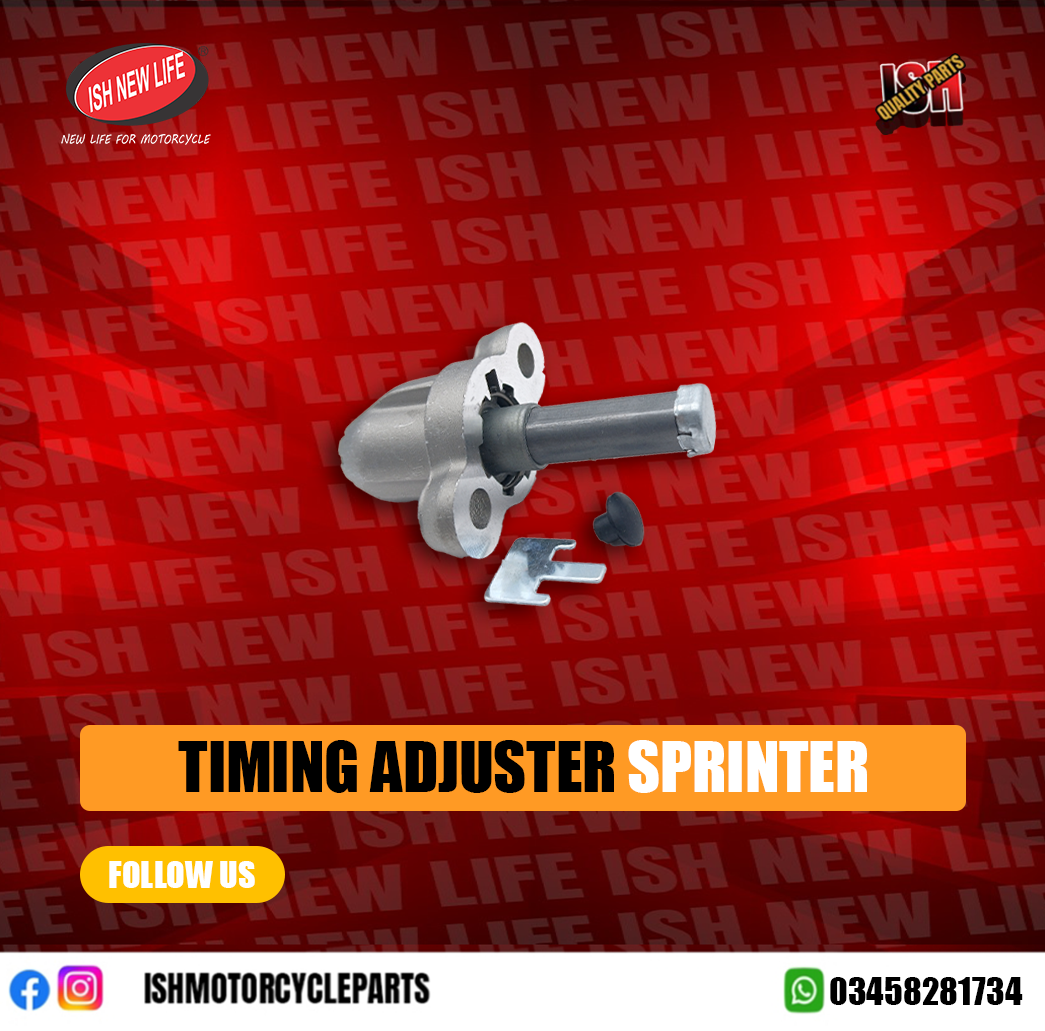


A Timing Adjuster is a tool or system designed to optimize and fine-tune timing mechanisms in various applications, such as engines, machinery, or digital processes. Below are its key features, benefits, and how to make the content more readable for SEO.
Key Features of a Timing Adjuster
- Precision Control
- Allows for accurate adjustments to timing parameters, ensuring optimal performance.
- Automated Calibration
- Automatically detects and adjusts timing settings, reducing manual intervention.
- Compatibility
- Works seamlessly with a wide range of systems, including engines, industrial machinery, and software applications.
- Real-Time Monitoring
- Provides real-time feedback on timing performance, enabling quick adjustments.
- User-Friendly Interface
- Intuitive controls and dashboards make it easy for users to operate and configure.
- Energy Efficiency
- Optimizes timing to reduce energy consumption and improve overall efficiency.
- Durability
- Built with high-quality materials to withstand harsh environments and prolonged use.
Benefits of Using a Timing Adjuster
- Improved Performance
- Enhances the efficiency and accuracy of systems, leading to better output and reduced errors.
- Cost Savings
- Reduces energy consumption and minimizes wear and tear, lowering operational costs.
- Time Efficiency
- Automates timing adjustments, saving time and effort for users.
- Extended Equipment Lifespan
- Prevents overworking machinery by ensuring optimal timing, increasing longevity.
- Enhanced Safety
- Ensures systems operate within safe timing parameters, reducing the risk of malfunctions.
- Scalability
- Adaptable to various industries, from automotive to manufacturing and IT.
Reviews
There are no reviews yet.